
Emergency Roadside Services: What’s Typically Included
Modern driving offers a sense of freedom and mobility that is central to our daily lives, yet it also carries inherent risks regarding mechanical reliability. According to Fortune Business Insights, approximately 65–70 million vehicle breakdowns occur annually in the U.S. Every time a driver gets behind the wheel, they rely on thousands of moving parts functioning in perfect harmony to reach their destination safely. When one of these components fails, the resulting situation can range from a minor annoyance to a significant safety hazard. This is where the importance of emergency roadside services becomes clear, providing a professional safety net for motorists in distress. Having a plan in place ensures that you are never truly stranded, regardless of the time of day or the location of your vehicle failure.
Towing Services and Vehicle Transport
Comprehensive Towing Options
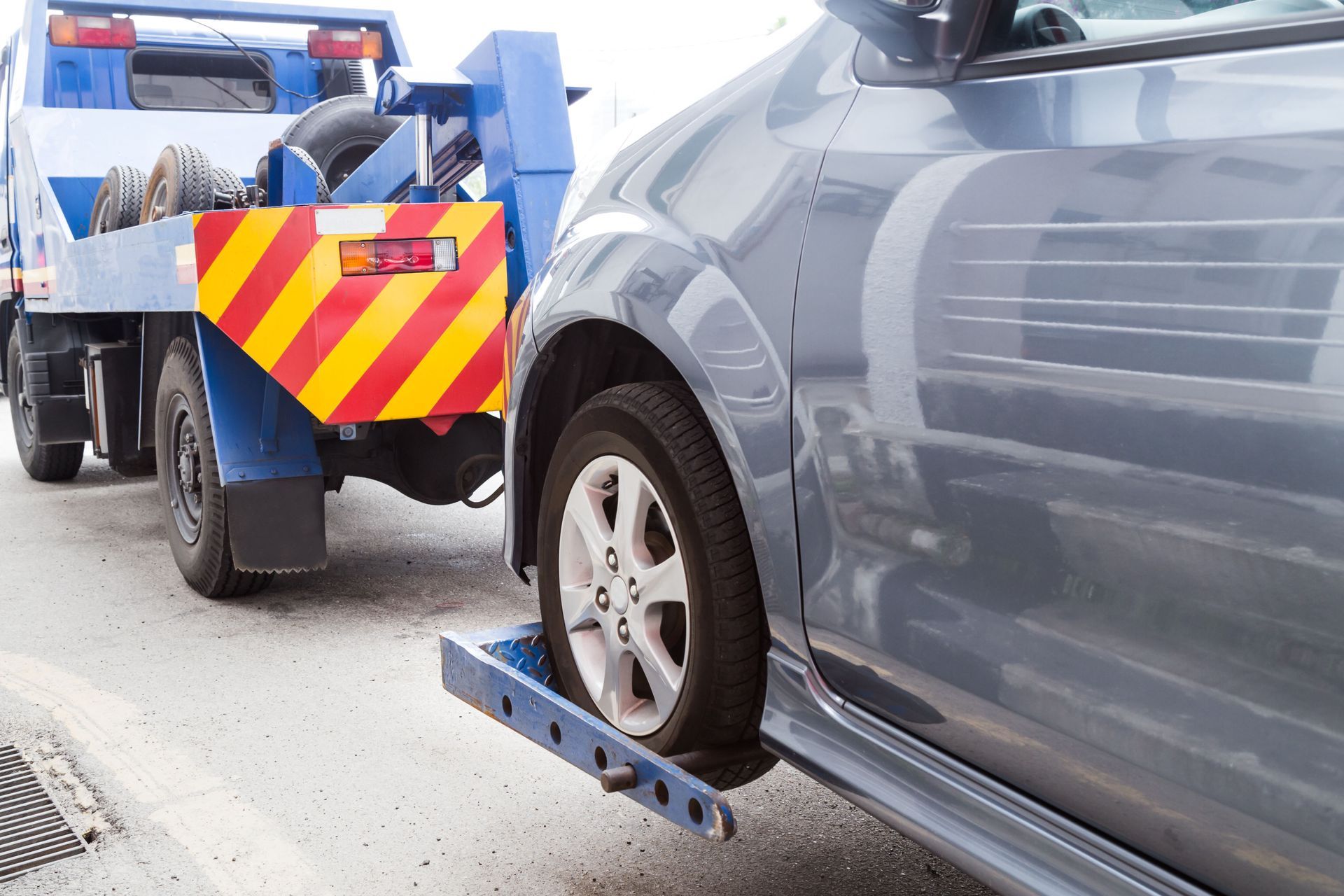
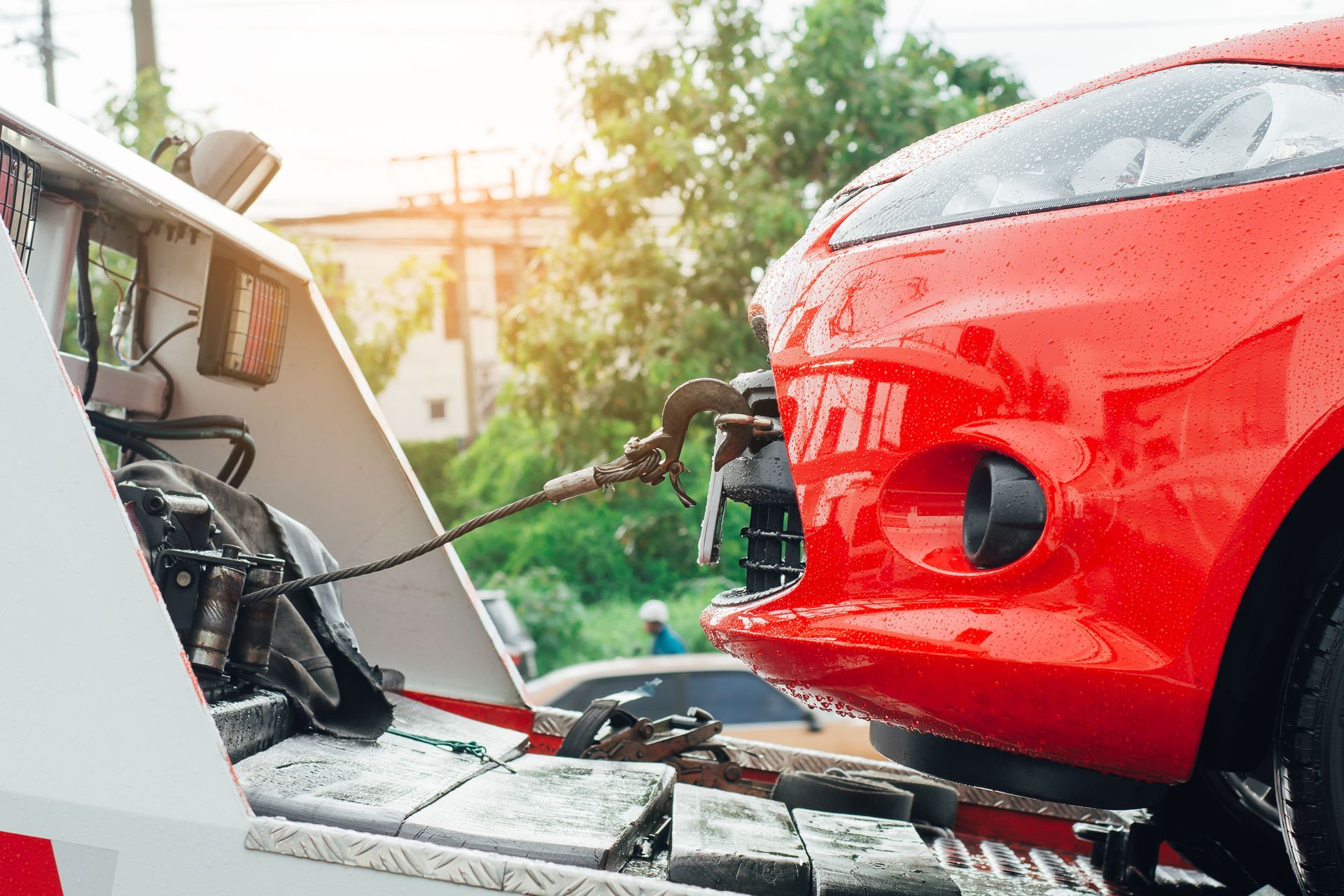
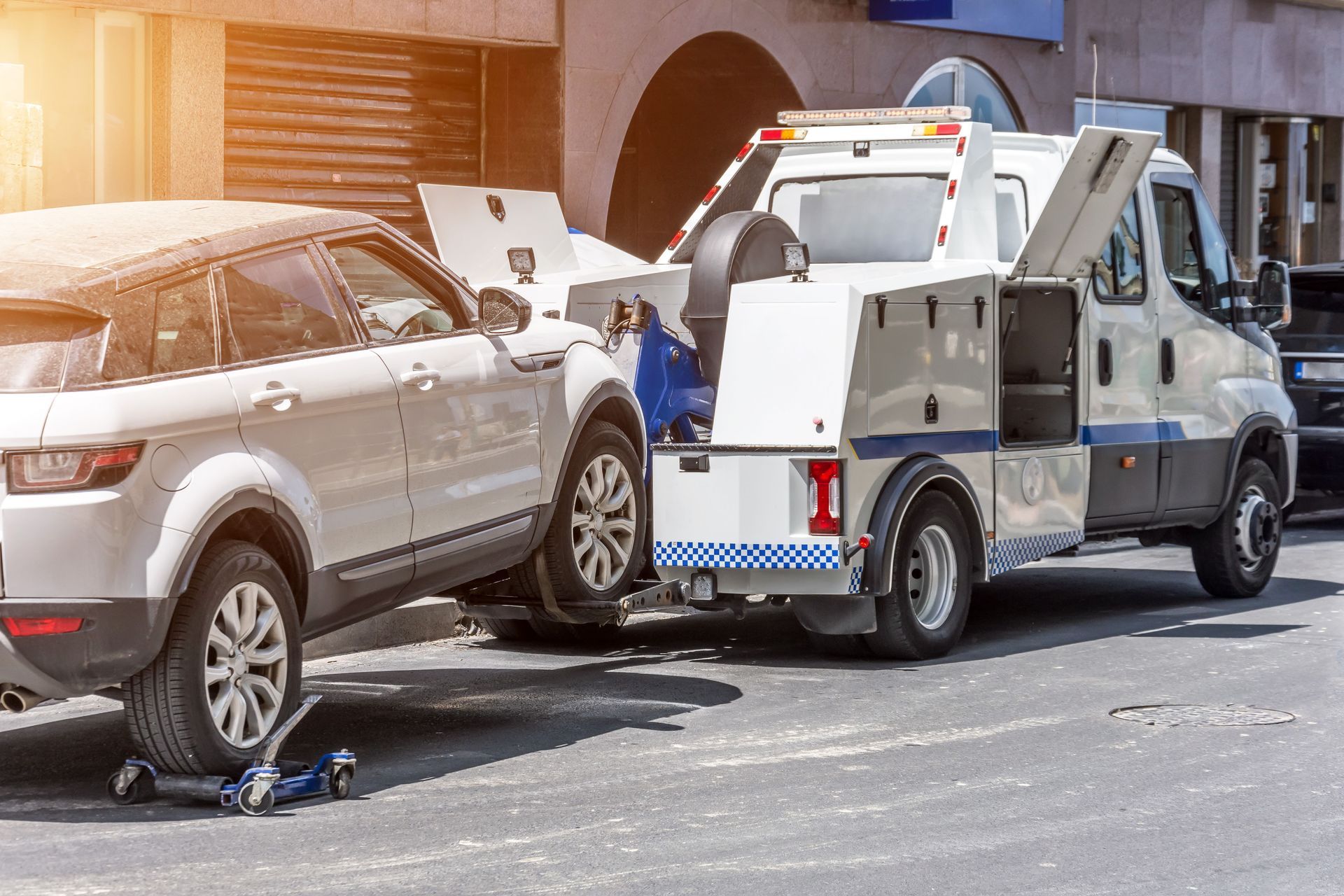
Towing is perhaps the most fundamental component of any emergency roadside services package, as it provides the only solution for vehicles that cannot be repaired on-site. There are several methods used to transport vehicles, each suited for different weights and mechanical conditions. Flatbed towing is widely considered the safest method for modern cars, as the entire vehicle is lifted onto a platform to prevent wear on the drivetrain. Wheel-lift towing is another common method, using a metal yoke to lift either the front or rear wheels, which is ideal for quick removals in tight urban environments. Professional dispatchers will ask for your vehicle type to ensure the correct equipment is sent to your location immediately.
Distance and Mileage Considerations
While towing is a standard feature, it is important to understand the mileage limitations that are typically attached to basic membership levels. Most plans offer a set number of miles for free, often ranging from five to fifteen miles to reach the nearest qualified repair facility. If you wish to have your vehicle taken to a specific mechanic who is further away, you may be required to pay a per-mile fee for the additional distance. Some high-tier plans offer extended towing ranges that can cover up to one hundred miles, which is highly beneficial for those who frequently travel between cities. Checking these details in your policy will help you avoid unexpected out-of-pocket expenses during a stressful breakdown scenario.
Recovery and Emergency Situations
Towing is not only for mechanical breakdowns but is also a critical part of the recovery process following a traffic accident. When a collision occurs, the structural integrity of the vehicle may be compromised, making it dangerous or impossible to operate on public roads. In these instances, towing services work closely with local law enforcement to clear the scene and restore the flow of traffic. Additionally, if a vehicle becomes disabled in a dangerous location like a bridge or a tunnel, priority towing is often utilized to move the car to a safer spot. The versatility of towing services ensures that no matter the cause of the immobilization, your vehicle can be moved to a secure location for assessment and repair.
Battery Jump-Start and Electrical System Support
Diagnosing Battery Failures
Battery failure is one of the leading reasons why motorists seek help, especially during periods of extreme temperature fluctuation. Batteries rely on chemical reactions to generate electricity, and these reactions can be significantly slowed down by freezing weather or accelerated to the point of damage by extreme heat. Recognizing these early warning signs can help you call for assistance before you are in a rush to get to work or an appointment.
The Professional Jump-Start Method
While many people attempt to jump-start their own vehicles, there is a significant risk involved if the cables are connected incorrectly. Modern vehicles are packed with sensitive electronic control units that can be fried by a sudden surge of incorrect voltage. Roadside technicians use specialized jump packs that provide a clean, regulated flow of power to the battery to ensure a safe start. They also inspect the battery terminals for corrosion, which can prevent the flow of electricity even if the battery itself is healthy.
Flat Tire Assistance and Roadside Safety
Dealing with Tire Punctures and Blowouts
Tires are the only point of contact between your vehicle and the road, making them highly susceptible to damage from debris and poor road conditions. A flat tire can happen instantly due to a large puncture or slowly over time due to a small nail or a faulty valve stem. If you experience a blowout at high speeds, it is vital to stay calm, maintain a firm grip on the steering wheel, and slowly move to the shoulder. Once you are safely off the road, the best course of action is to call for help rather than attempting to change the tire yourself in a dangerous area. Professional emergency roadside services provide the equipment and visibility needed to perform a tire change safely while traffic is zooming past.
The Process of On-Site Tire Replacement
When a technician arrives to help with a flat tire, their priority is creating a safe workspace by using high-visibility cones and amber warning lights. They use professional hydraulic jacks to lift the vehicle steadily, which is much safer than using the small, unstable jacks provided by car manufacturers. Once the vehicle is elevated, the damaged tire is removed and replaced with your vehicle's spare tire. The technician will also check the air pressure in the spare to ensure it is safe to drive on, as spare tires are often neglected during routine maintenance. This service allows you to get back on the road quickly so you can drive to a tire shop for a permanent replacement or repair.
Fuel Delivery and Fluid Services
Managing Unexpected Fuel Shortages
Running out of fuel is a common mishap that can happen to anyone, whether due to a faulty fuel gauge or a simple miscalculation on a long trip. Being stranded on the side of the road without gas is not just an inconvenience; it can be a safety risk if you are stuck in a high-traffic area or in extreme weather. Most emergency roadside services include fuel delivery as a standard feature to help you reach the nearest service station. A technician will bring a few gallons of gasoline or diesel directly to your location, saving you from having to walk along the highway with a gas can. This service provides just enough fuel to get the engine started and keep it running for the few miles needed to refuel fully.
Safety and Efficiency in Fuel Delivery
When fuel is delivered, the technician takes several safety precautions to prevent spills and protect the environment. They use certified containers and funnel systems to ensure that the fuel goes directly into the tank without any waste or hazard. For drivers of diesel vehicles, the process can sometimes be more complex because air can get trapped in the fuel lines when the tank runs dry. Technicians are often trained to help prime the system if necessary, ensuring that the vehicle starts up smoothly without damaging the fuel pump. This specialized knowledge is a major benefit of relying on a professional service rather than trying to solve the problem yourself.
As vehicle technology continues to advance, the methods used to assist are also evolving to be more precise and effective. However, the fundamental need for human expertise and physical tools remains unchanged in the face of a mechanical failure. Whether you are driving an older car or a brand-new electric vehicle, the risk of a breakdown is always present on the open road. By maintaining your membership and keeping the contact information for your service provider handy, you are taking a proactive step toward responsible vehicle ownership. This commitment to preparedness ensures that no matter what the road throws at you, you will have the support needed to overcome the challenge and get back on your way. For more information, contact Duke Boys Auto Sales.

Share On: