
Emergency Towing vs Standard Towing: What’s the Difference
Towing services are an essential part of roadside assistance, helping safely move vehicles that can no longer operate. They cover a range of situations, including breakdowns, accidents, and planned relocations, with the main goal of restoring safety and minimizing disruption. The type of service used typically depends on urgency, distance, and the vehicle’s condition.
Towing is not a single service but a system with different levels, including light-duty, medium-duty, and heavy-duty recovery. Within this system, emergency towing and standard towing are the most common options, each serving different needs based on the situation.
Understanding how towing works helps drivers make quicker, more informed decisions during stressful situations. Choosing the right option can reduce costs, speed up response times, and help prevent further vehicle damage while keeping safety the top priority.
Identifying Emergency Towing Needs
Emergency towing is designed for urgent, unpredictable situations where a vehicle cannot safely remain on the road. This includes accidents, sudden mechanical failure, or breakdowns in high-traffic or unsafe locations. In these moments, emergency towing becomes a critical response tool that focuses on immediate safety and rapid vehicle removal. Drivers often rely on emergency towing when continuing to drive is not an option.
There are several scenarios where towing becomes necessary. A vehicle stalled in a freeway lane, a crash involving multiple cars, or a sudden loss of control due to mechanical failure all require immediate intervention. Weather-related incidents such as flooding or ice buildup can also increase the need for towing support. In these cases, response speed is more important than cost or scheduling flexibility.
The role of towing is not limited to transportation alone. It often includes winching, roadside stabilization, and coordination with law enforcement when accidents or hazards are involved. Emergency towing services are typically available at all hours, ensuring drivers receive help regardless of timing or location. In practice, emergency towing is about restoring safety first and resolving logistics second.
Comparing Standard Towing Options
Standard towing focuses on planned or non-urgent vehicle transport. It is commonly used when a vehicle needs to be moved for maintenance, relocation, or scheduled repair. Unlike emergency services, standard towing allows for advance booking and route planning, which makes the process more predictable and cost-efficient. Many drivers prefer this option when time is not a critical factor.
In terms of usage, standard towing is often applied to situations such as moving a car to a repair shop, transporting a vehicle after a parking violation, or relocating a non-functioning vehicle that is not in immediate danger. It is also commonly used by dealerships and fleet operators managing multiple vehicles. This type of service prioritizes efficiency and controlled handling rather than rapid response.
Cost expectations also differ significantly between service types. According to Look Up a Plate, average towing distances in the United States typically range between 10 and 40 miles, depending on the situation and service provider. This range is often used as a baseline for pricing in standard towing arrangements. While towing may include additional fees for speed and availability, standard towing generally provides more predictable pricing structures.
Even though both services involve similar transport outcomes, the experience is quite different. Emergency towing is reactive and time-sensitive, while standard towing is planned and structured. Understanding this distinction helps drivers choose the right service without unnecessary expense or delay.
Evaluating Equipment and Techniques
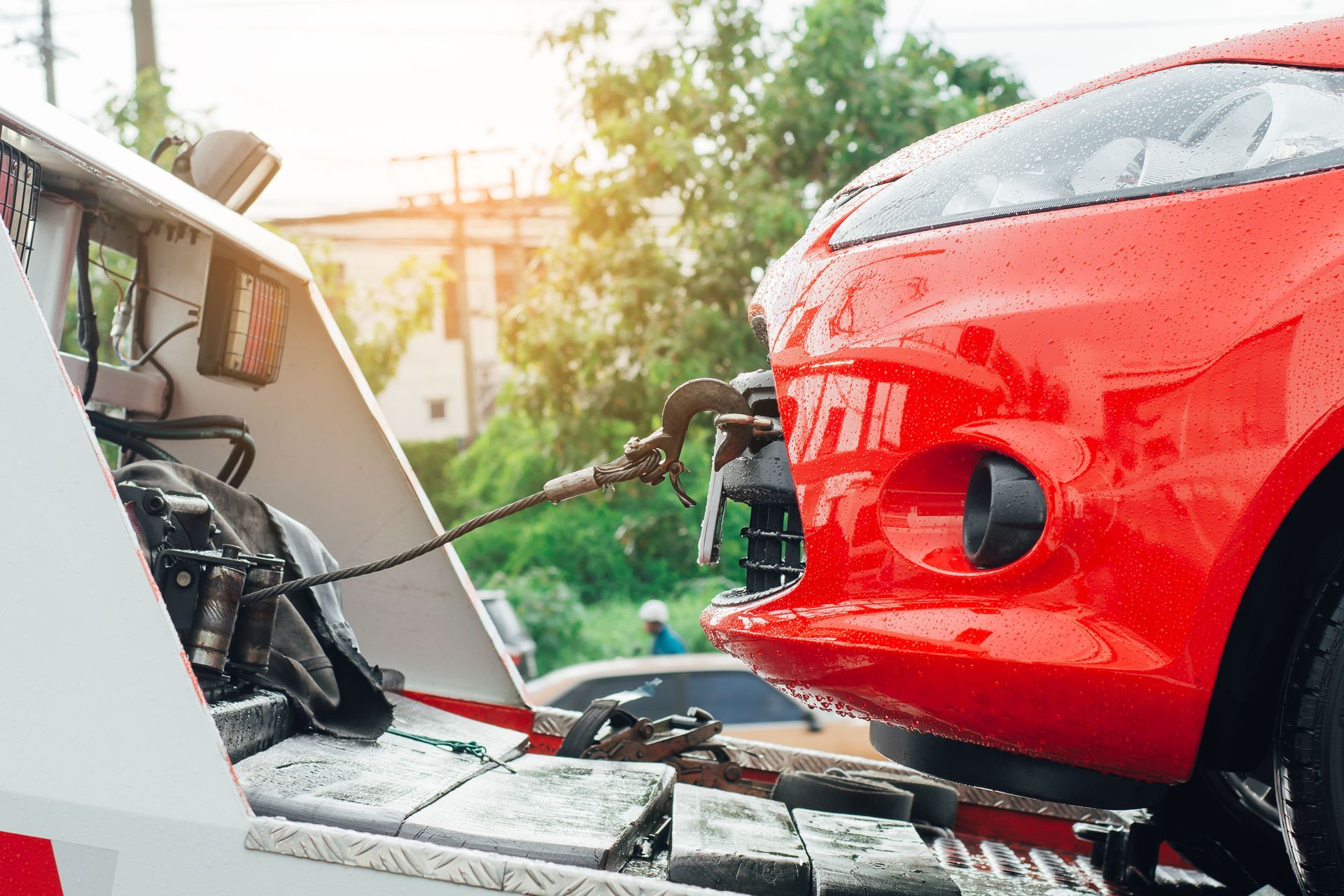
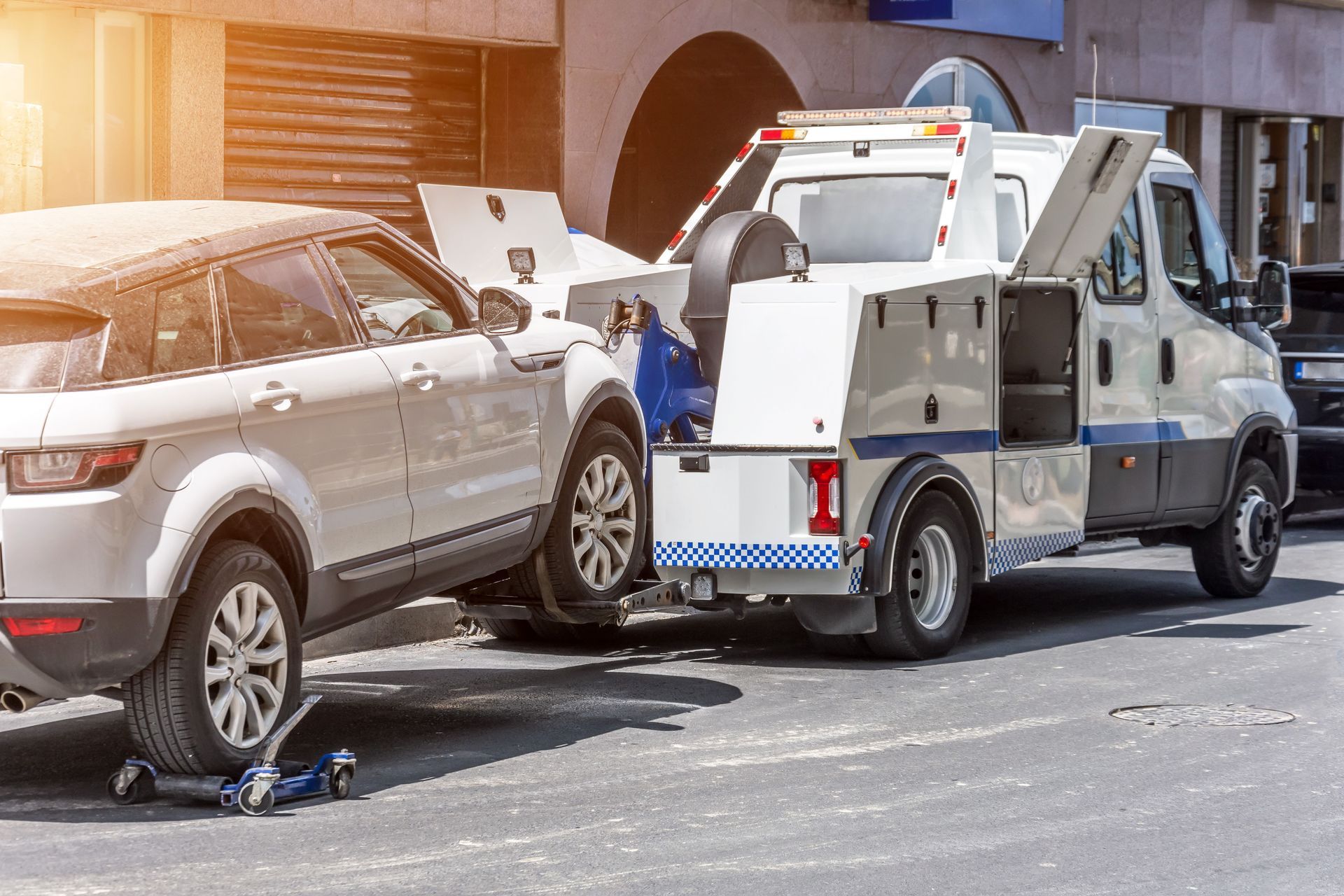
The equipment used in towing varies based on urgency, vehicle type, and terrain conditions. Emergency towing often relies on heavy-duty winches, reinforced hooks, and flatbed trucks capable of handling damaged or immobile vehicles. These tools allow operators to extract vehicles from difficult positions such as ditches, accident scenes, or obstructed roadways. In many cases, emergency towing requires rapid deployment of specialized equipment to prevent further risk.
Standard towing, on the other hand, uses more routine transport methods. Wheel-lift systems and flatbed trucks are commonly used for controlled loading and secure transport. These tools are suitable for vehicles that are not in immediate danger and can be moved with minimal risk. The focus is on preserving vehicle condition while maintaining efficiency during transport.
Techniques also differ between service types. Emergency towing prioritizes speed and stabilization, often involving immediate securing of the vehicle to prevent secondary incidents. Standard towing uses more deliberate loading processes, ensuring smoother handling over longer distances. While both approaches aim to protect the vehicle, their execution reflects different priorities in urgency and control.
Assessing Cost and Insurance Factors
Cost is one of the most noticeable differences between towing types. Emergency towing is generally more expensive due to its immediate availability and operational complexity. Dispatching a crew quickly, often outside regular hours, adds to the overall cost. In contrast, standard towing offers more predictable pricing because it is scheduled and less resource-intensive.
Insurance coverage can play a major role in reducing out-of-pocket expenses. Many auto insurance policies include roadside assistance options that cover both emergency towing and standard transport under specific conditions. However, coverage limits, distance caps, and service restrictions vary widely between providers. Understanding these details helps avoid unexpected financial strain during vehicle incidents.
In practical terms, drivers who rely on emergency towing services frequently benefit from reviewing their insurance policies in advance. Some plans cover full towing costs, while others only provide partial reimbursement or require specific service providers. Being informed ahead of time ensures smoother claims processing and fewer delays during stressful situations.
Choosing the Right Service Provider
Selecting the right towing provider depends on evaluating urgency, location, and service quality. In urgent situations, emergency towing is the appropriate choice because it prioritizes immediate response and safety. For planned transport needs, standard services offer better control over scheduling and cost. The decision often comes down to assessing risk versus convenience.
Reputation and reliability are also key factors. A dependable provider should have consistent response times, properly trained operators, and well-maintained equipment. Reviews and service history often provide insight into performance standards. Choosing a provider with strong operational experience reduces the likelihood of delays or vehicle damage.
Insurance compatibility and service coverage should also be considered before making a decision. Some providers work directly with insurance companies, streamlining the billing process and reducing paperwork for the driver. Others may require upfront payment and reimbursement claims. Understanding these differences ensures smoother service delivery regardless of whether emergency towing or standard transport is needed.
Reviewing Future Industry Trends
The towing industry is evolving rapidly due to advancements in technology and changing customer expectations. GPS tracking, automated dispatch systems, and real-time updates are improving response accuracy and reducing wait times. These innovations are making both emergency towing and standard services more efficient and transparent for drivers.
Sustainability is also becoming a major focus within the industry. More companies are exploring fuel-efficient tow trucks and alternative energy solutions to reduce environmental impact. This shift reflects broader changes in transportation and logistics, where efficiency and environmental responsibility are increasingly linked. As these improvements expand, service quality is expected to become more consistent across providers.
Customer expectations continue to shift toward faster, clearer, and more reliable service experiences. Drivers now expect accurate arrival times, transparent pricing, and professional communication throughout the process. This trend is pushing providers to upgrade both their technology and training standards. As the industry continues to modernize, service differentiation between emergency towing and standard options will become even more defined.
Understanding the difference between emergency towing and standard towing helps drivers make better decisions under pressure and avoid unnecessary costs. Each service plays a specific role, with one focused on immediate safety and the other on planned vehicle transport. Knowing when to use each option improves response outcomes and reduces stress during roadside situations. Clear awareness of service scope, cost structure, and provider reliability ensures more efficient vehicle recovery decisions in any scenario. Contact Duke Boys Auto Sales.


Share On: